This is default featured slide 1 title

Go to Blogger edit html and find these sentences.Now replace these sentences with your own descriptions.This theme is Bloggerized by Lasantha Bandara - Premiumbloggertemplates.com.

This is default featured slide 2 title

Go to Blogger edit html and find these sentences.Now replace these sentences with your own descriptions.This theme is Bloggerized by Lasantha Bandara - Premiumbloggertemplates.com.

This is default featured slide 3 title

Go to Blogger edit html and find these sentences.Now replace these sentences with your own descriptions.This theme is Bloggerized by Lasantha Bandara - Premiumbloggertemplates.com.

This is default featured slide 4 title

Go to Blogger edit html and find these sentences.Now replace these sentences with your own descriptions.This theme is Bloggerized by Lasantha Bandara - Premiumbloggertemplates.com.

This is default featured slide 5 title

Go to Blogger edit html and find these sentences.Now replace these sentences with your own descriptions.This theme is Bloggerized by Lasantha Bandara - Premiumbloggertemplates.com.

الجمعة، 21 يوليو 2017

Running tips for beginners


Running is free, you can do it anywhere, and it burns more calories than any other mainstream exercise.
Regular running can reduce your risk of chronic illnesses, such as heart disease, type 2 diabetes and stroke. It can also boost your mood and keep your weight under control.
This guide is designed to make running a safe and enjoyable experience for beginners, and to provide you with tips on how to stay motivated.

What a 60kg person burns in 30 minutes:
  • running (6mph): 300 calories
  • tennis (singles): 240 calories
  • swimming (slow crawl): 240 calories
  • cycling (12-14mph): 240 calories
  • aerobic dancing: 195 calories
  • fast walking (4mph): 150 calories
Source: At least five a week, Department of Health, 2004

Before you start

If you've not been active for a while, you may want to build your fitness levels gently with our guide to walking for health before you move on to running.
Running requires very little equipment, but a good pair of running shoes that suit your foot type may help improve comfort.
There are many types of trainers on the market, so get advice from a specialist running retailer who will assess your foot and find the right shoe for you.
The shoe's structure weakens over time, especially with regular use. Running experts advise replacing running shoes every 300 miles (482km).
Plan your runs. Work out when and where (the exact route and time) you're going to run and put it in your diary. That way, it won't slip your mind.
If you feel out of shape, or you're recovering from injury or worried about an existing condition, see your GP before you start running.

Starting out

To avoid injury and enjoy the experience, it's essential to ease yourself into running slowly and increase your pace and distance gradually over several outings.
Start each run with a gentle warm-up of at least five minutes. This can include quick walking, marching on the spot, knee lifts, side stepping and climbing stairs.
Start walking for an amount of time that feels comfortable.
When you first start out, try alternating between running and walking during your session.


As time goes on, make the running intervals longer until you no longer feel the need to walk.
For information on good running technique, read How to run correctly.
Give yourself a few minutes to cool down after each run by walking and a doing few stretches. Try our post-run stretch routine.
Regular running for beginners means getting out at least twice a week. Your running will improve as your body adapts to the consistent training stimulus.
It's better to run twice a week, every week, than to run six times one week and then do no running for the next three weeks.
We have produced a series of podcasts to help absolute beginners get into running.
Our Couch to 5K programme is designed to get just about anyone off the couch and running 5km in nine weeks.


Staying motivated

Set yourself a goal

Whatever your level, setting challenges is useful to stay motivated. Training for a race, such as a 5K, or a charity run is a good way to keep going. Find a running event using our run finder or parkrun.

Run with a friend

It really helps to have someone about the same level of ability as you to run with. You'll encourage each other when you're not so keen to run. You'll feel you don't want to let your running partner down, and this will help motivate you. Find a running partner on realbuzz or JoggingBuddy.

Keep a diary

Keep a diary of your runs. Note down each run, including your route, distance, time, weather conditions and how you felt. That way, whenever your motivation is flagging, you can look back and be encouraged by how much you've improved. Check out realbuzz's running blogs.

Improve your running

If you're looking to improve your running, why not try the NHS Choices 5K+ running podcasts. Each podcast in the series provides a structured run with running music and coaching to develop your running technique, speed and stamina.

Mix it up

Keep your running interesting by adding variety. Running the same route over and over again can become boring. Vary your distances, pace and routes. Use realbuzz's route planner to find, record and share your favourite running routes.

Join a club

A running club is the perfect way to commit to running regularly. Most clubs have running groups for different levels, including beginners. Clubs are also a great way to find running partners to run with outside of club sessions. Find a running club near you using
10-minute workouts


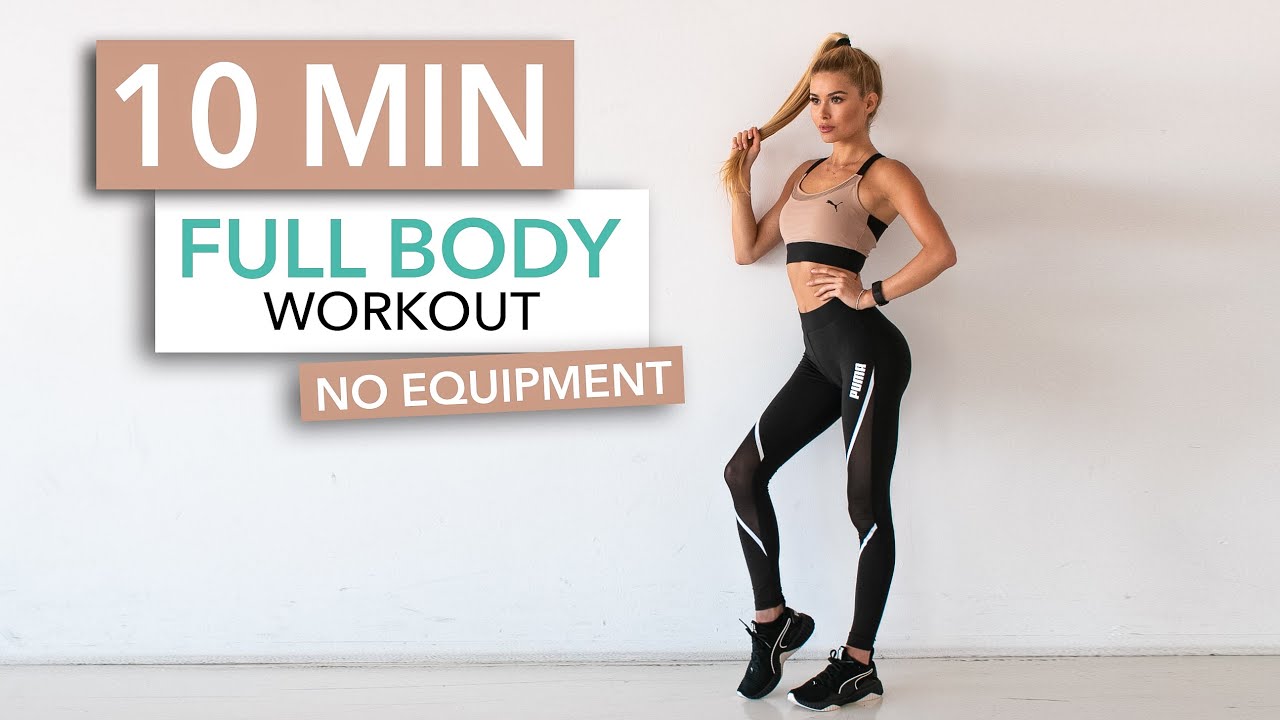
Short on time? Hate the gym? Too tired to exercise after work? These 10-minute workouts are just what you need.
These equipment-free fitness routines are great to do at home and short enough for you to easily fit them into your daily schedule.
There are six workouts, one for every day of the week if you include a rest day, each working on a different area of your fitness.
Try to do one of these routines daily to improve your general health and strengthen and tone different muscle groups.
The workouts can also be bolted on to your regular workout sessions if you want to tone your abs, legs, triceps or buttocks.

Get running with Couch to 5K


But did you know that regular running can help reduce the risk of chronic illnesses such as heart disease, type 2 diabetes and stroke, boost your mood and keep your weight under control?

The NHS Couch to 5K plan is designed to get you off the couch and gradually work you up to running 5K or for half an hour, in just nine weeks.

What is Couch to 5K?

Couch to 5K is a running plan developed to help absolute beginners get into running. The beginners' running plan was developed by a novice runner, Josh Clark, who wanted to help his fifty-something mum get off the couch and start running too. The plan involves three runs per week, with a day of rest inbetween, with a different schedule for each of the nine weeks.

How does Couch to 5K work?

Probably the biggest challenge a novice runner faces is not knowing how or where to start. Often when trying to get into exercise, we can overdo it, feel defeated and give up when we’re just getting started. Couch to 5K works because it starts with a mix of running and walking, to gradually build up your fitness and stamina. Week one involves running for just a minute at a time, creating realistic expectations and making the challenge feel achievable right from the start.

Who is Couch to 5K for?

Couch to 5K is for everyone. Whether you’ve never run before, or if you want to get back into being more active, Couch to 5K is a free and easy way of getting fitter and healthier. If you have any health concerns about beginning an exercise regime such as Couch to 5K, make an appointment to see your GP and discuss it with them first.

What are the benefits?

There are plenty of benefits from getting into running. For starters, it’s an easy way of improving your physical health. Running regularly will improve the health of your heart and lungs. It can also help you lose weight, especially if combined with a healthy diet.

There is evidence it may help increase bone density in some people, which can help protect against bone diseases such as osteoporosis.

There are also mental benefits of running. Taking on the challenge of Couch to 5K can help boost your confidence and self-belief, as you prove that you can set yourself a target and achieve a goal. Running regularly can also be a great stress reliever and has even been shown to combat depression.

Download NHS Couch to 5K

Use the panel below to download the NHS Couch to 5K podcasts (also available as an app). The podcasts feature a narrator, Laura, who guides you through the session, explaining when you need to run and when it’s time to walk.

Aids deaths halve as more get drugs


Deaths linked to Aids have halved in a decade, official figures shows.
The condition, which is caused by HIV, used to be one of the top 10 causes of death worldwide.
A report by the Joint United Nations Programme on HIV/Aids (UNAids) showed deaths had fallen from a peak of 1.9 million in 2005 to 1 million last year.
It said the "scales have tipped", with more than half of people getting drug treatment for the first time.
An HIV infection cannot be cured - it can only be contained with daily doses of antiretroviral therapy.
Unchecked, it destroys the immune system, causing Aids. At this point people tend to die from other "opportunistic infections" such as tuberculosis.
Worldwide, 36.7 million are living with HIV and 53% of them are getting the therapy that gives a near-normal life expectancy.
Michel Sidibe, the executive director of UNAids, said: "We met the 2015 target of 15 million people on treatment and we are on track to double that number to 30 million and meet the 2020 target.
"We will continue to scale up to reach everyone in need and honour our commitment of leaving no-one behind."
UNAids said eastern and southern Africa were "leading the way" and had cut new HIV infections by nearly a third since 2010.
Life expectancy has increased by 10 years over the past decade too.
The agency has set a series of goals known as the 90-90-90 targets.
The aim is for 90% of people with HIV to be diagnosed, 90% of those to get therapy and 90% of those to have their infection suppressed, by 2020.
In 2016 the figures were 70%, 77% and 82% respectively.
Mr Sidibe added: "Communities and families are thriving as Aids is being pushed back."
However, the agency warned that inadequate treatment in north Africa, the Middle East, Asia and Eastern Europe had seen death rates increase sharply.

الخميس، 20 يوليو 2017

What to Do if Your Pharmacist Refuses Your Prescription Because of "Personal Beliefs"


A teenaged girl in New Mexico was refused a prescription because the pharmacist working at her local Walgreens cited personal beliefs. The medications in question included a pain-reliever, an anti-anxiety medication and Misoprostol, the generic name for a drug that is used to treat stomach ulcers, and also used to prep the cervix before an IUD is placed, especially in women that have never been pregnant. The combination is also colloquially known as “the abortion pill.”
The girl’s mother then contacted the ACLU and the American Civil Liberties Union of New Mexico and Southwest Women’s Law Center filed against the pharmacist for sex discrimination. If the girl had been a man, the prescription likely would have been filled because the drug is used to treat stomach ulcers.

Not that it’s any of anybody’s business but the teen in question, but her mother told a newspaper that the IUD was being placed to control severe period symptoms, a common reason for birth control prescriptions in women that may or may not be sexually active.
After receiving the news, the mother drove an hour in traffic to another Walgreen’s to get the prescription filled but became increasingly upset about the incident. She eventually returned to the original Walgreen’s to confront the pharmacist who told her that he had refused to fill it on personal beliefs because he had “a pretty good idea” what the use was for.
It’s not the first such case that has made headlines in New Mexico. In 2012, a married woman in her 30s made the news when she sued a pharmacist for refusing to fill her birth control prescription. Now, the women are commiserating over the fact that progress has yet to be made.
Walgreen’s officials are said to be working on the issue to educate their staff on how to handle similar issues in the future.
In the meantime, until pharmacists move out of the Dark Ages, the ACLU can be found at 

Does Being Vegan Make You More Chill?


You may think of vegans as suffering from stress, anxiety, depression or aggression less than the average human being. But is there validity to this? The answer might shock you.
Does Vegan Dieting Affect Mood?
Studies are mixed as to whether or not vegan dieting negatively or positively impacts mood and mood disorders. A 2015 study published in Nutritional Neuroscience found that eliminating animal foods from the diet is associated with improved mood in adult men and women. For example, anxiety was lower in vegan dieters compared with non-vegan dieters in men, and stress levels were lower in women who followed vegan diets compared with non-vegan females.
Harvard Health Publications says there is a correlation between diets high in refined sugar and symptoms of mood disorders (like anxiety and depression). So, if you’re following a vegan diet low in added sugar you might be able to reap mental health benefits of a happier mood.

Plant-based diets are also associated with lower body weights, according to a 2015 study published in the Journal of the Academy of Nutrition and Dietetics. Achieving or maintaining a healthy weight could mean feeling healthier and happier — and improvements in self esteem.
However, other studies have linked vegetarian dieting with poorer mental health status. A 2012 issue of Psychology Today says several studies link plant-based diets with better moods and mental health status, but others (though these studies have limitations such as small sample sizes) found that vegetarianism is associated with higher rates of anxiety, depression and eating disorders.
Does Vegan Dieting Make You More Chill?
Chances are, if you have a more “chill” laid back personality it’s not because of your diet. Genetic makeup and the environment you live in affects personality traits — and can affect your food preferences. But because vegan dieting lowers your risks for chronic diseases, helps maintain a healthy weight (especially when eaten as part of a diet low in added sugar), and may lower your risk for depression and anxiety, it’s very possible vegan dieting can help improve your mood. But, whether or not you have a “chill,” personality is likely due to simply the way you’re wired (a combination of genetics and environment).

6 Ingredients You Should Always Have in Your Kitchen


As you clean out the unhealthy foods in your house and make way for new, better alternatives, there are a few kitchen staples you’ll want to have on hand at all times. These staples help with the prep of many different meals and also offer a good nutritional profile, so are items that you’ll reach for time and time again.
Remember that succeeding with your fat loss diet is as much about being prepared as anything, so you’ll want to ensure that you get these in place.
Here are the six ingredients you’ll want to have.
Olive Oil
Olive oil is one of the healthiest fats you can consume and is used widely in an array of recipes. Having it on hand will ensure you are always prepared whether you’re cooking a stir-fry, making a salad dressing, or simply sautéing some vegetables.
Coconut Oil
Another oil to have in your kitchen at all times is coconut oil. More people are making the switch to using this oil more often in their cooking and for good reason. It boosts your immune system, helps to improve your metabolic function, provides a quick source of energy, and can help to ward off your risk of disease as well.

Coconut oil offers a nice light taste and is a great alternative to olive oil once in a while.
Spinach
Of all the vegetables to ensure you have in your menu, spinach is a must. This leafy green is loaded with nutrition, comes with very few calories, and can be used raw in salads or cooked in one of the many dishes you prepare.
Always stock some so it’s easy to reach for and incorporate into your menu.
Fresh Or Dried Garlic
To help add flavor to your foods, you’ll want to ensure that garlic is a mainstay in your kitchen. Whether you choose to buy fresh garlic and simply chop it yourself or you buy it chopped up already and freeze dried, you’ll want to be adding plenty of garlic to your menu. Not only is it virtually calorie free as well, but it also offers a number of great health benefits.
Chicken Breasts
As a protein staple, you just can’t go wrong with chicken breasts. They’re highly versatile, loaded with protein, low in fat, and can be cooked in so many different ways.
Keep some on hand or in your freezer at all times.
Eggs
Finally, as another protein staple, you’ll want to ensure that you have eggs in the house. Eggs are a great breakfast source of protein, which is something that most people are lacking. They can also make for a great snack anytime during the day as well.
Keep both eggs and egg whites in the house for when they’re needed.
So there you have the top pantry and kitchen staples you’ll need to succeed with your healthy eating diet plan. Are you missing any of these?